🦷 Implant Timing: When to Replace a Removed Tooth | Dental Lounge Guide (Why Timing Matters More Than You Think)
Losing a tooth due to severe decay or infection is more common than most people think. In many cases, the tooth may be too damaged (“rotten”) to save, and removal becomes the best option to prevent further pain or infection.
But what happens after the extraction is just as important.
One of the most common questions we get at Dental Lounge is: When is the best time to place a dental implant?
🦷 Why You Shouldn’t Wait Too Long
After a tooth is removed, your body begins to heal — but at the same time, changes start happening in your mouth:
The bone where the tooth used to be begins to shrink
The neighbouring teeth may start shifting
The opposing tooth (above or below) may start to over-erupt (supra-eruption)
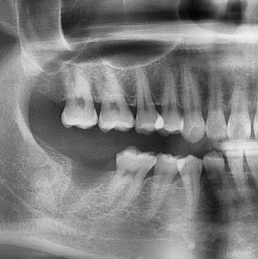

⬆️ What is Supra-Eruption (Over-Eruption)?
When a tooth loses its opposing contact (for example, you removed a lower molar), the upper tooth no longer has anything to “bite against.”
Over time, this tooth can slowly drift downward (or upward) into the empty space. This is called supra-eruption.
Why is this a problem?
It reduces the space needed for your future implant
It may create bite issues
It can trap food more easily
In some cases, additional treatment (e.g. trimming the tooth or orthodontics) is needed before placing the implant


⏱️ So… When is the Best Time for an Implant?
There are generally 3 timing options, depending on your condition:
1. Immediate Implant (Same Day as Extraction)
Implant is placed right after removing the tooth
Helps preserve bone and reduces treatment time
Suitable when there is no active infection and sufficient bone
👉 Ideal for: Patients who want faster results and fewer surgeries


2. Early Implant (4–8 Weeks After Extraction)
Allows soft tissue healing first
Lower risk if there was mild infection
👉 Ideal for: Most common and balanced approach
3. Delayed Implant (3–6 Months Later)
Done after full healing
Often needed if there was significant infection or bone loss
👉 Downside:
Higher chance of bone shrinkage
Increased risk of supra-eruption
May require bone grafting
⚠️ The Hidden Cost of Waiting
Many patients delay implants due to time or financial reasons — which is completely understandable.
However, delaying too long can lead to:
More complex procedures later
Additional treatments (bone graft, sinus lift, bite correction)
Higher overall cost in the long run
💡 Our Approach at Dental Lounge
At Dental Lounge, we don’t believe in rushing treatment — but we do believe in planning ahead.
After removing a severely decayed tooth, we will:
Assess bone condition (CBCT if needed)
Evaluate your bite and risk of supra-eruption
Recommend a timeline tailored to your situation
Help you prioritise what is urgent vs can wait
🦷 Final Thoughts
Removing a rotten tooth solves the immediate problem —but replacing it at the right time prevents future ones.
If you’ve recently had an extraction or are planning one, it’s best to discuss your implant timing early — even if you’re not ready to proceed immediately.
Visit Us
At Dental Lounge Orchard, we focus on comfortable, well-planned care — so you can make decisions with clarity and confidence.


Comments